

How to Prepare Your Business for a Construction Project: 6 Steps to Minimize Downtime
Commercial construction doesn't have to shut down your business. With phased construction and strategic planning, most Minnesota businesses maintain 70-90% of operations during renovations. This guide walks business owners through six essential steps to minimize downtime, from mapping critical functions to choosing contractors experienced in occupied-space construction. Learn how dental clinics, restaurants, and retail stores successfully navigate expansions while protecting revenue and keeping customers satisfied.

Commercial construction doesn't have to shut down your business. With strategic planning and the right contractor, you can minimize revenue loss, maintain customer access, and complete your project on schedule. The key is preparing your operations, staff, and customers before the first wall comes down.
Business disruptions during construction are costly. Small businesses lose an average of $137 to $427 per minute during unplanned interruptions, according to industry data. But many Minnesota business owners successfully navigate expansions and renovations without closing their doors. The difference comes down to preparation.
Whether you're expanding your dental practice, renovating your restaurant, or upgrading your retail space, this guide walks you through the essential steps to protect your operations during construction.
Key Takeaways
Before construction begins, successful business owners:
- Develop a phased construction plan with their contractor to maintain operational areas throughout the project
- Create a detailed communication timeline for staff, customers, and vendors starting 3-4 weeks before construction
- Identify which business functions are essential versus flexible during construction phases
- Plan temporary workspace solutions and traffic flow patterns that keep operations running
- Set realistic expectations about noise, access changes, and minor disruptions with all stakeholders
- Budget 10-15% contingency for unexpected operational adjustments and extended timelines
Step 1: Map Your Critical Business Functions
Before meeting with contractors, document exactly which parts of your business must remain operational and which have flexibility.
Start by identifying:
- Must-operate functions that directly generate revenue or serve customers
- Peak business hours and seasonal considerations
- Equipment or systems that can't be interrupted (refrigeration, HVAC, medical equipment)
- Minimum staffing requirements and workspace needs
Industry-specific examples:
Dental clinics need uninterrupted access to sterilization rooms, patient treatment bays, and reception areas. Digital x-ray equipment and suction systems can't be down during patient hours.
Restaurants must maintain kitchen ventilation, refrigeration, and minimum seating capacity. Most can operate at 60-70% capacity during renovations but need full kitchen functionality.
Retail stores require point-of-sale systems, dressing rooms, and high-traffic aisles. Many successfully cordon off sections while maintaining core shopping areas.
Funeral homes need continuous access to visitation rooms, preparation areas, and adequate parking. These businesses can't turn away families due to construction schedules.
This mapping exercise becomes the foundation of your construction phasing plan. Experienced design-build contractors will walk your space with you to understand these critical functions before creating a construction timeline.
Step 2: Create a Phased Construction Plan
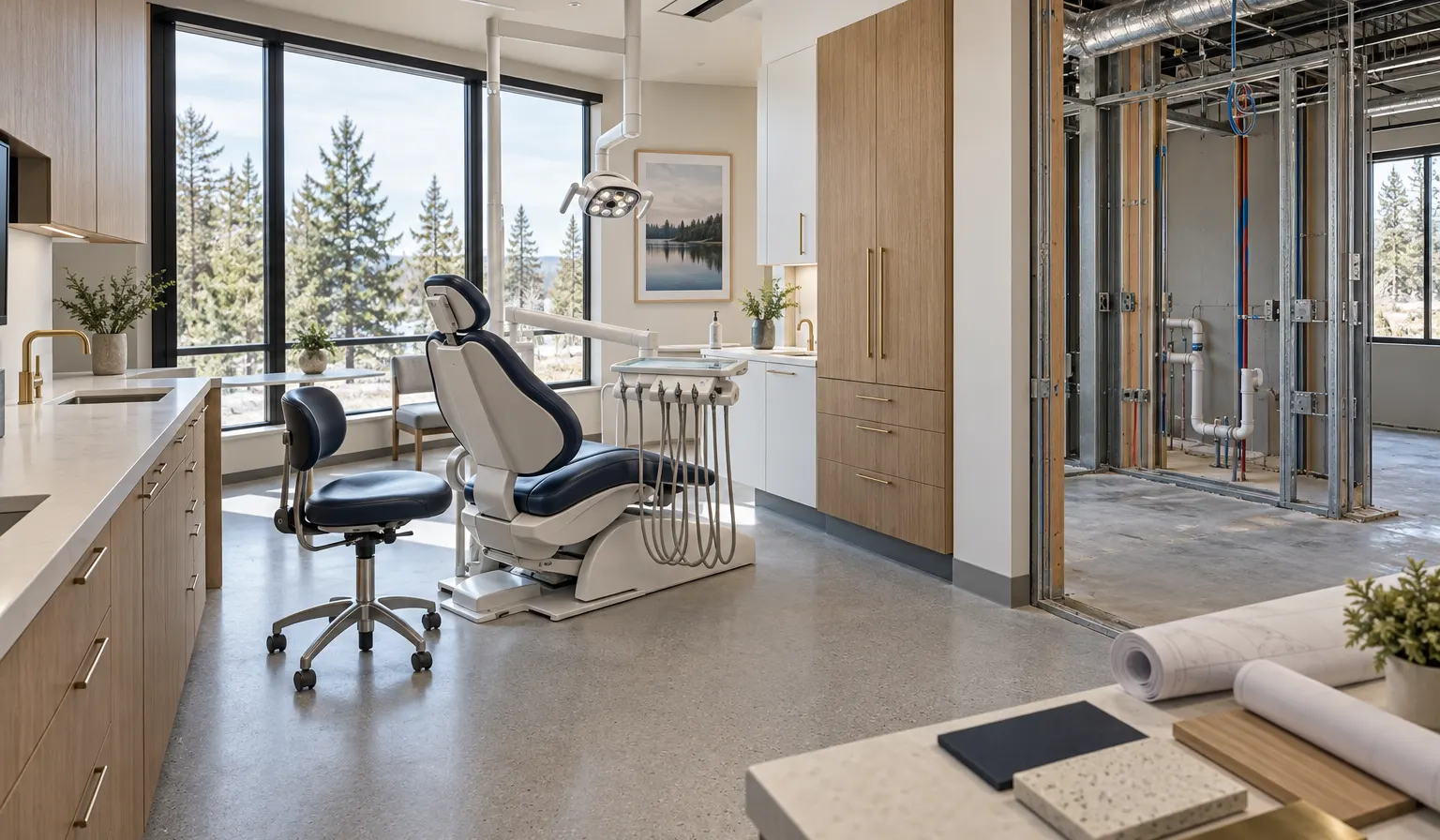
Phased construction divides your project into sequential stages, allowing you to continue operating in unaffected areas while work progresses in others.
How phased construction works:
- Phase 1: Renovate Zone A while your team operates in Zone B
- Phase 2: Move operations to completed Zone A, renovate Zone B
- Phase 3: Complete common areas and final connections with minimal disruption
Real-world timeline example:
8,000 square foot dental office expansion in Central Minnesota:
- Weeks 1-8: Build out new addition (no disruption to existing practice)
- Weeks 9-12: Move operations to new space, renovate original area
- Weeks 13-14: Final connections, systems testing, and transition
During this 14-week project, the practice maintained 90% of normal operations throughout construction.
Understanding the trade-offs:
Phased projects typically take 20-30% longer than traditional construction. A four-month renovation might extend to five or six months when phased. Initial costs may be 5-10% higher due to extended project management.
However, these costs are significantly lower than revenue lost from complete closures. A restaurant generating $30,000 weekly would lose $120,000 during a four-week closure, far exceeding the additional cost of phased construction.
Minnesota considerations: Plan major exterior work (roofing, facade improvements, parking lot work) during April through October. Interior construction phases can continue year-round.
Step 3: Develop Your Communication Strategy
Clear, proactive communication prevents confusion, reduces customer frustration, and keeps your team aligned throughout construction.
Internal communication (Staff):
Hold a comprehensive kickoff meeting 2-4 weeks before construction begins. Explain the phasing plan, realistic timeline, and what changes daily. Designate a staff point person who can field contractor questions and relay information to the team. Schedule weekly 15-minute updates during active construction phases to address concerns and share progress.
External communication (Customers/Patients):
Start communicating 3-4 weeks before the first hammer swings. Send email announcements explaining the project scope, timeline, and what customers should expect. Add a website banner with the project timeline. Share progress photos on social media to build excitement.
Post clear signage: "Pardon our dust. We're expanding to serve you better!" Many businesses successfully offer "patience perks" like 10% discounts during peak construction phases.
Sample customer message:
"We're expanding to serve you better! Starting June 15, you may notice construction activity in our north wing. We'll remain fully operational with temporary access through our main entrance on Oak Street. The project will complete in approximately 12 weeks. Thank you for your patience as we grow to better meet your needs."
Vendor and supply communication:
Update delivery instructions well in advance. Provide alternate entrance locations, specific timing windows when trucks can access the site, and construction manager contact information for day-of coordination. Many contractors can receive deliveries before or after business hours to minimize disruption.
Pro tip from occupied-space construction experts:
Four-week look-ahead schedules keep everyone informed about upcoming noise, utility shutoffs, or access changes without overwhelming them with excessive detail. Weekly updates maintain trust and manage expectations.
Step 4: Prepare Your Space and Operations
Advance preparation makes the difference between minor inconvenience and major operational problems.
Physical space preparations:
- Designate temporary workspace areas for relocated staff or functions
- Map traffic flow patterns that keep customers and construction crews separated
- Identify storage locations for equipment being temporarily relocated
- Create physical buffer zones between construction and operational areas
Your contractor should install temporary walls with dust barriers between work zones and occupied spaces. These contain dust, reduce noise by up to 70%, and maintain professional appearance in customer-facing areas.
Operational adjustments:
- Schedule heavy-noise activities (demolition, concrete cutting) during off-hours when possible
- Adjust appointment booking around high-impact construction phases
- Plan for 10-30% reduced capacity during peak construction activity
- Establish daily cleanup requirements in your construction contract
Technology and utilities management:
Coordinate utility shutoffs (water, power, internet) during your slowest hours with advance notice. Critical operations may need backup systems: generators for restaurant refrigeration, mobile hotspots for point-of-sale systems, temporary phone lines during system upgrades.
Step 5: Choose the Right Construction Partner
Not all contractors understand the complexities of occupied-space construction. Your choice of contractor directly impacts your business continuity.
Essential qualifications to verify:
Proven occupied-space experience in your specific industry. A contractor who's completed multiple dental clinics understands patient flow, sterilization requirements, and medical equipment needs. Ask for references from businesses that remained operational during construction.
Design-build capabilities create single-point accountability. When design and construction teams work under one roof, communication gaps that disrupt operations are minimized.
Detailed phasing proposals demonstrate that a contractor understands your operations. Generic proposals that don't address your specific business functions are red flags.
Questions to ask during contractor interviews:
"How many [dental/restaurant/retail/funeral home] projects have you completed while businesses stayed operational? Can you provide three references I can contact?"
"Walk me through your typical approach to dust control, noise management, and maintaining professional appearance in customer-facing areas."
"How do you handle unexpected issues that might affect our operations?"
"What's your communication cadence during active construction? Who will be my primary contact?"
Step 6: Plan for the Unexpected
Even the best-planned projects encounter surprises. Building contingencies protects your business when the unexpected happens.
Financial contingencies:
Budget an additional 10-15% beyond your construction contract for operational adjustments. This reserve covers temporary solutions (portable facilities, additional cleaning, temporary signage), potential revenue adjustments from reduced capacity, and unexpected conditions discovered during construction.
Common surprises in commercial renovation projects:
- Outdated electrical systems or plumbing behind walls requiring upgrades
- Structural issues not visible during initial assessment
- Permitting delays extending timeline by 1-2 weeks
- Weather impacts on exterior work (significant in Minnesota's November-March period)
- Supply chain delays for specialized equipment or custom materials
Contingency best practices:
Schedule weekly check-ins with your project manager to review upcoming work and anticipate potential issues. Build flexibility into staffing schedules so you can adjust to construction impacts. Keep financial reserves available for temporary solutions.
Minnesota-specific planning: Winter construction often requires heated enclosures or weather-related delays for exterior work. Projects spanning November through March should include weather contingency buffers.
Traditional vs. Phased Construction: Understanding Your Options
Frequently Asked Questions
How much revenue will I lose during construction?
With phased construction and proper planning, most businesses maintain 70-90% of normal operations. Complete closures mean 100% revenue loss (potentially $10,000 to $50,000 weekly for small to medium businesses). Strategic phasing typically results in 10-30% capacity reduction during peak construction phases.
How long does a typical commercial construction project take?
Tenant improvements average 2-4 months, major renovations require 4-6 months, and ground-up construction needs 6-12 months. Phased construction adds 20-30% to total timeline but allows continued operations. Minnesota projects should account for an additional 4-8 weeks for permitting.
Can my business really stay open during major renovations?
Yes, with the right contractor and planning approach. Phased construction divides projects into sequential stages, allowing operation in unaffected areas. Industries like dental, healthcare, restaurants, retail, and funeral homes successfully remain open during major renovations by working with contractors experienced in occupied-space construction.
What's the biggest mistake businesses make when planning construction?
Underestimating the importance of detailed communication. Failing to properly inform staff, customers, and vendors creates confusion and unnecessary business loss. Start communicating 3-4 weeks before construction begins. Provide regular updates throughout the project.
How do I minimize disruption to my customers?
Five proven strategies: (1) Create clear temporary signage and well-marked access paths, (2) Schedule noisy demolition during off-peak hours or closed days, (3) Install professional physical barriers between construction and customer areas, (4) Communicate timeline and changes proactively, (5) Consider offering "patience perks" like modest discounts during intensive construction phases.
Should I schedule construction during my slow season?
Ideally, starting during lower-traffic periods gives your team time to adapt before peak season returns. However, don't indefinitely delay essential projects waiting for perfect timing. Phased construction allows you to proceed even during moderately busy seasons.
How much extra should I budget for staying operational during construction?
Budget an additional 10-15% beyond your construction contract for operational contingencies. While phased construction costs 5-10% more than traditional approaches, this investment is significantly less than revenue lost from complete closures.
What permits are required for commercial construction in Minnesota?
Minnesota commercial projects require building permits covering structural, electrical, mechanical, and plumbing work. Additional permits may be needed depending on your industry. Healthcare facilities face additional regulatory requirements, restaurants need health department approvals, and some projects require special use permits. You can verify current requirements and check contractor licensing through the Minnesota Department of Labor and Industry. Commercial building permits in Central Minnesota typically process in 2-4 weeks. Minneapolis and St. Paul permits can extend to 6-8 weeks.
Moving Forward With Your Construction Project
Preparing your business for construction comes down to three essential priorities: detailed operational planning that protects your critical functions, a phased construction approach that maintains business continuity, and constant communication with all stakeholders.
The right commercial contractor becomes your partner in protecting business operations, not just building walls. They invest time understanding your business before proposing construction approaches. They proactively identify potential disruptions and develop mitigation strategies. They maintain transparent communication throughout the project.
Your next steps:
- Complete your critical business functions mapping
- Meet with contractors who specialize in occupied-space construction
- Develop your communication timeline and content
- Build contingency reserves into your project budget
Keystone Design Build specializes in keeping Minnesota businesses operational during commercial construction projects. Our design-build approach and extensive experience with dental clinics, restaurants, retail centers, and funeral homes means we understand your industry's unique operational requirements. We've successfully completed dozens of occupied-space projects across Central Minnesota and the Upper Midwest.
Latest articles and news
Browse all Articles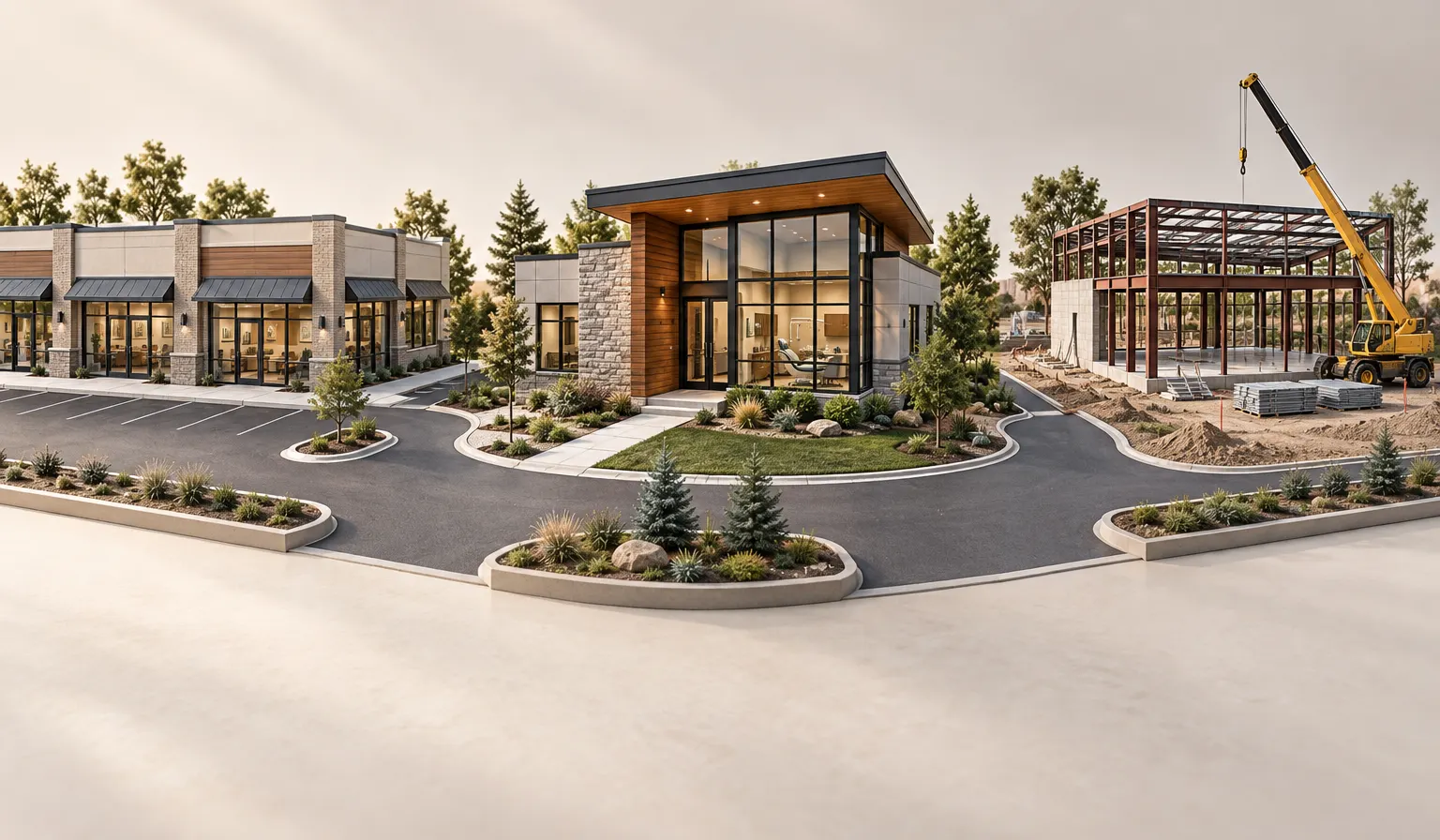
Ready to build your vision?
Keystone Design Build handles every detail from concept to completion. Tell us about your project and get a free consultation.
Planning a project like this? See how we build commercial remodeling, with recent projects and the questions owners ask us.