

Building a Holistic Wellness Center in Minnesota
Planning a wellness center build-out? This guide covers multi-modality space planning, biophilic design elements, treatment room requirements, and construction costs for holistic healthcare facilities.
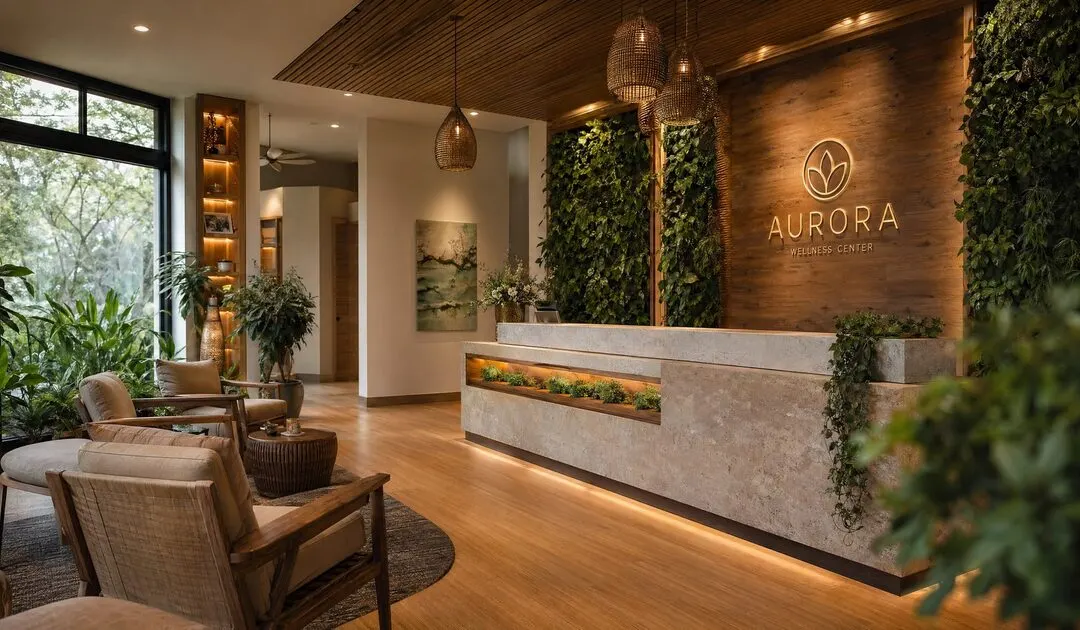
The wellness industry is experiencing remarkable growth. The global wellness economy reached $6.8 trillion in 2024, with traditional and complementary medicine projected to grow 10.8% annually through 2029 - one of the fastest-expanding sectors in healthcare. In Minnesota, this growth is translating into demand for purpose-built holistic wellness centers that can support multiple healing modalities under one roof.
But building a holistic wellness center isn't like building a conventional medical office. The design priorities are different. Patient flow works differently. The atmosphere itself becomes part of the therapeutic experience. And the range of services - from acupuncture and massage therapy to yoga classes and nutrition counseling - creates unique space planning challenges.
This guide covers the essential considerations for holistic wellness center construction in Minnesota, from creating multi-modality treatment spaces to integrating biophilic design elements that support healing. Whether you're a solo practitioner expanding into a full wellness concept or a group of providers creating an integrative health destination, understanding these factors will help you build a space that supports both patient outcomes and practice success.
At Keystone Design Build, we've delivered specialized healthcare facilities throughout Central Minnesota for over two decades. Our approach to holistic wellness center construction focuses on creating environments that reflect balance and harmony while maintaining the operational efficiency needed to run a thriving practice.
What Makes Holistic Wellness Center Design Different
Traditional medical office design optimizes for clinical efficiency - moving patients through exam rooms quickly with standardized layouts. Holistic wellness centers require a fundamentally different approach.
The Environment Is Part of the Treatment
In conventional healthcare, the building is a container for services. In holistic wellness, the building is an active participant in healing. Research consistently shows that environmental factors - natural light, air quality, acoustic comfort, connection to nature - directly impact patient outcomes and stress levels. This isn't just philosophy; it's evidence-based design.
This means every design decision carries therapeutic weight: the quality of natural light in treatment rooms, the materials patients touch and see, the sounds they hear (or don't hear), even the scent profile of the space. These elements aren't finishing touches added at the end - they're foundational design drivers that shape the entire project.
Multi-Modality Complexity
Most holistic wellness centers offer multiple services under one roof. A single facility might include:
- Acupuncture treatment rooms
- Massage therapy rooms
- Yoga or movement studio
- Meditation space
- Nutrition counseling office
- Chiropractic adjustment area
- Energy healing rooms
- Retail wellness products
- Community gathering space
Each modality has different space requirements, utility needs, and acoustic considerations. A yoga studio needs open floor space, high ceilings, and resilient flooring. An acupuncture room needs privacy, controlled lighting, and a peaceful atmosphere. A chiropractic area needs durable surfaces and specific equipment clearances. Coordinating these diverse needs into a cohesive, functional layout is the central challenge of wellness center design.
Patient Experience Over Patient Throughput
Conventional healthcare design often prioritizes throughput - seeing more patients per hour. Holistic wellness centers prioritize experience. Patients may spend 60-90 minutes per visit. The transition from street stress to healing calm matters. Wait times should feel restorative rather than frustrating.
This shift affects everything from entry sequences to room turnover expectations. You're not designing a high-efficiency clinical operation; you're designing a healing sanctuary that also happens to function as a business.
Space Planning for Multiple Healing Modalities
Effective wellness center design starts with understanding how different services interact and flow throughout the day.
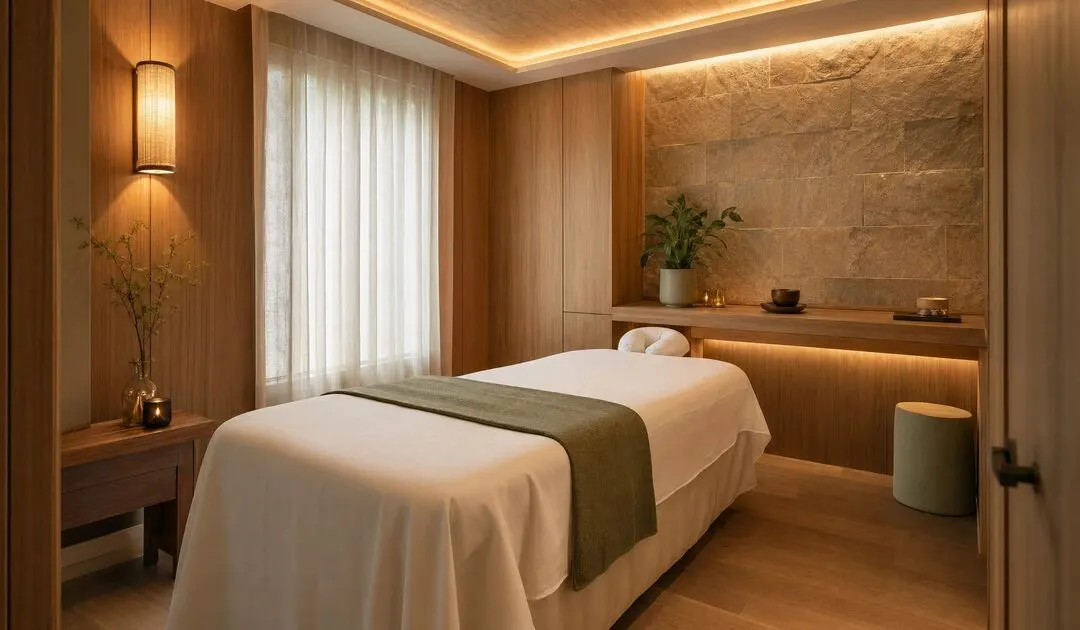
Treatment Room Types and Requirements
Private Treatment Rooms (Acupuncture, Massage, Energy Work)
Private treatment rooms are the core of most wellness centers. Plan for:
- Size: 100-120 square feet minimum for massage; 80-100 square feet for acupuncture
- Ceiling height: 9 feet preferred for spacious feel
- Lighting: Dimmable, layered lighting (no harsh overhead fluorescents)
- Plumbing: Handwashing sink in or near each room
- Electrical: Adequate outlets for warmers, heating pads, music systems
- Acoustic isolation: Sound transmission control between rooms is critical - patients shouldn't hear conversations or treatment sounds from adjacent spaces
- HVAC: Individual temperature control; wellness patients are often undressed or in relaxed states requiring warmer room temps
Movement and Group Spaces (Yoga, Meditation, Classes)
Group spaces serve multiple functions and need flexibility:
- Size: 15-20 square feet per participant; a 20-person yoga studio needs 300-400 square feet minimum
- Ceiling height: 10-12 feet for yoga; allows overhead movements and improves air circulation
- Flooring: Resilient, warm underfoot - cork, bamboo, or specialized yoga flooring; avoid concrete or tile
- Storage: Built-in cubbies or closets for mats, props, blocks, blankets
- Mirrors: Optional - some yoga traditions prefer no mirrors; design to accommodate either
- Acoustic treatment: Sound absorption to support guided meditation and prevent echo
- HVAC: High capacity for heated yoga; standard for other classes
- Natural light: Highly desirable but with blackout capability for restorative sessions
Consultation and Counseling Spaces
Nutrition counseling, health coaching, and initial consultations need:
- Size: 100-120 square feet
- Privacy: Full acoustic privacy for sensitive health discussions
- Seating: Comfortable seating for extended conversations (not clinical exam tables)
- Technology: Display screen or monitor for presenting information
- Natural light: Preferred but not essential
Retail and Reception
First impressions happen here:
- Reception: 80-100 square feet minimum; larger for high-volume practices
- Retail display: Variable based on product offerings; 50-200 square feet typical
- Waiting area: 15-20 square feet per person; seating for 4-8 typical
- Checkout: Combined with reception in smaller centers; separate in larger facilities
Sample Space Allocations by Facility Size
Small Wellness Center (1,500-2,000 sq ft)
- 3-4 private treatment rooms
- 1 multi-purpose room (yoga/meditation/classes)
- Reception/retail area
- Staff break area
- Storage and utility
Suitable for: Solo practitioner or 2-3 provider practice
Medium Wellness Center (2,500-3,500 sq ft)
- 5-7 private treatment rooms
- 1-2 group/class spaces
- Dedicated reception and retail
- Consultation office
- Staff areas
- Expanded storage
Suitable for: 4-6 provider practice; multi-modality integration
Large Wellness Center (4,000+ sq ft)
- 8+ private treatment rooms
- Dedicated yoga studio
- Meditation room
- Multiple consultation offices
- Full retail area
- Community/event space
- Staff lounge and offices
- Laundry facility
Suitable for: Wellness destination; integrative health center
Biophilic Design: Bringing Nature Into Healing Spaces
Biophilic design - incorporating natural elements and nature connections into built environments - isn't just aesthetic preference in wellness centers. It's therapeutic strategy backed by research showing that nature connections reduce stress, lower blood pressure, and improve healing outcomes.
Key Biophilic Elements
Natural Light
Daylight is the single most impactful biophilic element:
- Maximize glazing where privacy permits
- Use clerestory windows, skylights, or light tubes where direct windows aren't possible
- Specify glass that admits full-spectrum light when possible
- Design light shelves or strategies to bring daylight deeper into floor plates
- Provide blackout capability in treatment rooms for sessions requiring darkness
Natural Materials
Material choices affect both visual warmth and tactile experience:
- Wood finishes (walls, ceilings, millwork) - cedar, walnut, oak
- Stone elements (reception desks, accent walls, flooring details)
- Natural fiber textiles (cotton, wool, linen)
- Cork or bamboo flooring
- Avoid materials that feel cold, clinical, or synthetic
Living Elements
Plants and water features bring literal life into the space:
- Interior plantings (with maintenance plan)
- Living walls where feasible
- Water features (with acoustic considerations - trickling water is soothing; loud pumps are not)
- Views to exterior gardens or landscape
Natural Patterns and Colors
Biomimicry extends biophilic benefit without maintenance requirements:
- Organic shapes and curves rather than rigid geometry
- Earth-tone color palettes
- Patterns inspired by natural forms (leaves, water, fractals)
- Textured surfaces that mimic natural materials
Balancing Biophilia with Practical Requirements
Biophilic design requires careful integration with healthcare requirements:
- Infection control: Some plants can harbor pests or allergens; select carefully
- Maintenance: Living elements require ongoing care and budget
- Durability: Natural materials may need more maintenance than synthetics in high-traffic areas
- Cost: Premium natural materials affect budget; prioritize high-impact areas
- Code compliance: Water features need proper drainage; plant placement can't obstruct egress
The most successful wellness centers integrate biophilic elements strategically - focusing investment where patients spend the most time and where impact is highest.
Acoustic Design: The Foundation of Calm
Sound control is arguably the most overlooked aspect of wellness center design - and one of the most important. Nothing destroys a peaceful treatment experience faster than hearing conversations, footsteps, or street noise through walls.
Sound Transmission Control
Between Treatment Rooms
Adjacent treatment rooms need acoustic separation:
- STC (Sound Transmission Class) rating of 50+ between treatment rooms
- Full-height walls (slab to deck, not just to ceiling grid)
- Acoustic insulation in wall cavities
- Solid-core doors with proper seals
- Careful routing of penetrations (electrical, plumbing) to avoid sound flanking
From Common Areas
Reception areas, retail spaces, and corridors generate ambient noise:
- Strategic room placement (treatment rooms away from high-traffic areas)
- Sound locks or vestibules at transitions from public to treatment zones
- Acoustic ceiling treatments in corridors
- Soft flooring materials in circulation areas
From Exterior
Street noise, HVAC equipment, and neighboring buildings:
- Window specifications appropriate for exterior noise levels
- Mechanical equipment isolation (vibration mounts, duct silencers)
- Building orientation consideration during site planning
Sound Masking and Positive Acoustics
Beyond blocking unwanted sound, wellness centers benefit from positive acoustic environments:
- Sound masking systems (white noise or nature sounds) in treatment corridors
- Absorptive surfaces to prevent echo in larger spaces
- Careful HVAC design to minimize air noise in treatment rooms
- Speaker systems for ambient music (with individual room control)
Lighting Design for Healing Environments
Lighting profoundly affects mood, circadian rhythm, and therapeutic experience. Wellness center lighting requires layered, flexible approaches.
Lighting Principles
Maximize Daylight
Natural light is the preferred primary light source:
- Orient treatment rooms to receive indirect north light where possible
- Use light-diffusing glazing to prevent direct sun and glare
- Design deeper floor plates with skylights or clerestories
Layer Artificial Light
When artificial light is needed:
- Avoid harsh overhead downlights in treatment rooms
- Use cove lighting, wall sconces, and indirect fixtures
- Specify warm color temperatures (2700K-3000K) for relaxation
- Install dimmers on all treatment room lighting
Individual Control
Different treatments and patient preferences require flexibility:
- Each treatment room should have independent dimming control
- Preset scenes (full light for cleaning, medium for consultation, low for treatment)
- Consider smart lighting systems for easy adjustment
Specific Space Requirements
- Treatment Rooms: Dimmable to near-darkness; warm color; no direct overhead glare
- Yoga/Movement Studios: Bright, energizing light for active classes; dimmable for restorative sessions
- Meditation Rooms: Very low light capability; candlelight-level options
- Reception/Retail: Brighter task lighting; accent lighting for displays
- Staff Areas: Full task lighting with cooler color temperature for alertness
HVAC and Air Quality
Air quality is both a health concern and a therapeutic element in wellness centers.
Ventilation Requirements
Holistic wellness centers need enhanced ventilation:
- Fresh air: Higher outdoor air rates than typical commercial spaces
- Filtration: MERV 13 or higher filtration for particulate removal
- Humidity: 40-60% relative humidity ideal for comfort and respiratory health
- Air changes: 6-10 air changes per hour in treatment rooms
Special Considerations
Scent Management
Essential oils, massage lotions, and other aromatherapy elements:
- Independent exhaust for rooms using strong scents
- Avoid cross-contamination between treatment rooms
- Consider dedicated aromatherapy diffusion systems
Temperature Zones
Different modalities need different temperatures:
- Massage/bodywork: Warmer (72-76°F) since patients are undressed
- Yoga (non-heated): Standard (68-72°F)
- Hot yoga: Specialized high-temperature HVAC (80-105°F)
- Reception: Standard comfort cooling
- Individual room control wherever possible
Quiet Operation
HVAC noise undermines acoustic design investments:
- Specify low-velocity duct design
- Use properly sized, quiet equipment
- Include duct silencers and vibration isolation
- Keep air handling units away from treatment areas
Wellness Center Construction Costs in Minnesota
Understanding realistic costs helps you plan effectively and communicate with lenders and investors.
Construction Cost Ranges
Current wellness center construction costs in Minnesota (2025-2026):
| Finish Level | Cost Per Sq Ft | Description |
|---|---|---|
| Standard | $150-$200 | Quality materials, good lighting, basic acoustic treatment |
| Mid-Range | $200-$275 | Enhanced biophilic elements, premium finishes, robust acoustic design |
| High-End | $275-$375+ | Luxury spa-level finishes, living walls, water features, custom millwork |
These ranges cover construction costs including finishes suitable for wellness environments. Costs on the higher end of ranges reflect the premium materials and specialized systems (acoustic, HVAC, lighting) that distinguish exceptional wellness spaces from basic commercial build-outs.
Budget Examples by Facility Size
Small Center (1,800 sq ft, mid-range finish)
- Construction: $360,000-$495,000
- Design: $36,000-$50,000
- Permits and fees: $6,000-$15,000
- Contingency (10%): $40,000-$56,000
- Total construction budget: $442,000-$616,000
Medium Center (3,000 sq ft, mid-range finish)
- Construction: $600,000-$825,000
- Design: $60,000-$85,000
- Permits and fees: $10,000-$25,000
- Contingency (10%): $67,000-$93,000
- Total construction budget: $737,000-$1,028,000
Large Center (4,500 sq ft, high-end finish)
- Construction: $1,237,500-$1,687,500
- Design: $125,000-$170,000
- Permits and fees: $15,000-$35,000
- Contingency (10%): $138,000-$189,000
- Total construction budget: $1,515,500-$2,081,500
Additional Budget Items
Beyond construction, plan for:
- Furniture, fixtures, equipment: $30,000-$150,000+ depending on treatment modalities
- Retail inventory: $5,000-$25,000 initial stock
- Technology: $10,000-$40,000 (scheduling, point-of-sale, sound systems)
- Signage: $5,000-$25,000
- Landscaping (if applicable): $10,000-$50,000
Cost Drivers Specific to Wellness Centers
Several factors push wellness center costs higher than standard commercial construction:
- Acoustic treatment: Quality sound isolation adds $15-30 per square foot
- Enhanced HVAC: Individual zone control, higher filtration, humidity control
- Plumbing: Multiple sinks, potential shower facilities
- Premium finishes: Natural materials, custom millwork, specialty flooring
- Lighting systems: Dimmable, layered, circadian-friendly specifications
Minnesota Licensing and Regulatory Considerations
Wellness centers in Minnesota may need to navigate multiple regulatory frameworks depending on services offered.
Practitioner Licensing
Each healing modality has different Minnesota licensing requirements:
- Massage therapy: Licensed through the local jurisdiction (not state-level in Minnesota); verify local requirements
- Acupuncture: Licensed by the Minnesota Board of Medical Practice
- Chiropractic: Licensed by the Minnesota Board of Chiropractic Examiners
- Nutrition counseling: Varies by credential type; registered dietitians are licensed
- Yoga instruction: No state licensing required
- Mental health services: Multiple license types depending on discipline
The physical space must support compliant practice for each modality - including appropriate privacy, sanitation facilities, and record storage.
Building Code Considerations
Wellness centers typically fall under Business (B) occupancy in building codes:
- ADA accessibility requirements throughout
- Fire safety (sprinklers, egress, alarms) based on occupancy load
- Plumbing fixture counts based on occupancy
- Ventilation per mechanical code
If offering any services that could be classified as medical (acupuncture, for example), confirm with local building officials whether any healthcare-specific codes apply.
Insurance and Liability
Building design should support risk management:
- Slip-resistant flooring in wet areas
- Appropriate lighting at all transitions
- Clear egress paths
- Proper ventilation for any aromatherapy or product use
Timeline Expectations
Wellness center projects require adequate time for both design and construction phases.
Design Phase: 2-4 Months
- Programming and needs assessment: 2-4 weeks
- Schematic design: 3-4 weeks
- Design development: 4-6 weeks
- Construction documents: 4-6 weeks
- Permitting: 2-6 weeks (varies by municipality)
Construction Phase: 4-8 Months
Timeline depends heavily on project scope:
- Basic tenant improvement (existing space, minimal changes): 3-4 months
- Substantial renovation (new walls, HVAC modifications): 4-6 months
- Ground-up construction: 6-10 months
Total Project Duration
Most wellness center projects take 8-12 months from initial design through opening, assuming no unusual permitting delays or site challenges.
Design-build delivery can compress this timeline by overlapping design and early construction activities - often delivering projects 15-25% faster than traditional design-bid-build approaches.
The Design-Build Advantage for Wellness Projects
Holistic wellness centers benefit particularly from integrated design-build delivery.
Why Design-Build Works
Unified Vision
Wellness centers require design decisions that bridge aesthetics, function, and therapeutic impact. When designers and builders work as a unified team, these decisions happen collaboratively rather than getting lost in translation between separate firms.
Real-Time Cost Feedback
Premium materials and systems common in wellness design can escalate budgets quickly. Design-build provides continuous cost visibility, allowing value engineering decisions during design rather than painful cuts after bids come in.
Specialized Knowledge
Contractors who build wellness and healthcare facilities understand the specific requirements - acoustic isolation, enhanced HVAC, specialty finishes - that general commercial contractors may underestimate.
Faster Delivery
For practitioners eager to begin serving patients, faster project completion means faster revenue generation. Design-build typically delivers 15-30% schedule compression.
Working with Keystone
At Keystone Design Build, we understand that holistic wellness center construction requires balancing therapeutic environment with operational function. Our in-house design team works directly with your clinical vision to create spaces that support healing while our construction team ensures those designs become reality on time and on budget.
From concept to completion, we ensure your space supports both patient healing and provider success.
Planning Your Wellness Center Project
Building a holistic wellness center is an investment in your clinical vision and business future. The decisions you make during planning - treatment room configurations, finish levels, systems specifications - will affect both patient experience and operational efficiency for years to come.
The most successful wellness centers share common traits: they invest adequately in design quality, they work with construction partners who understand healthcare and hospitality, and they prioritize the elements that patients actually experience - light, air, sound, and materials.
Whether you're establishing your first standalone wellness practice or expanding an integrative health concept across Minnesota, the right construction partner helps translate your healing vision into built reality.
Ready to discuss your wellness center project? Schedule a free consultation with our team to explore how design-build delivery can bring your wellness vision to life - creating a space that supports healing, reflects your values, and functions efficiently as a thriving practice.
Latest articles and news
Browse all Articles
Ready to build your vision?
Keystone Design Build handles every detail from concept to completion. Tell us about your project and get a free consultation.
Planning a project like this? See how we build holistic wellness centers, with recent projects and the questions owners ask us.