

Veterinary Clinic Design: Space Planning and Room Requirements for Minnesota Practices
Planning a veterinary clinic? This guide covers exam room sizing, surgical suite layout, species separation, kennel requirements, and construction costs for Minnesota practices.
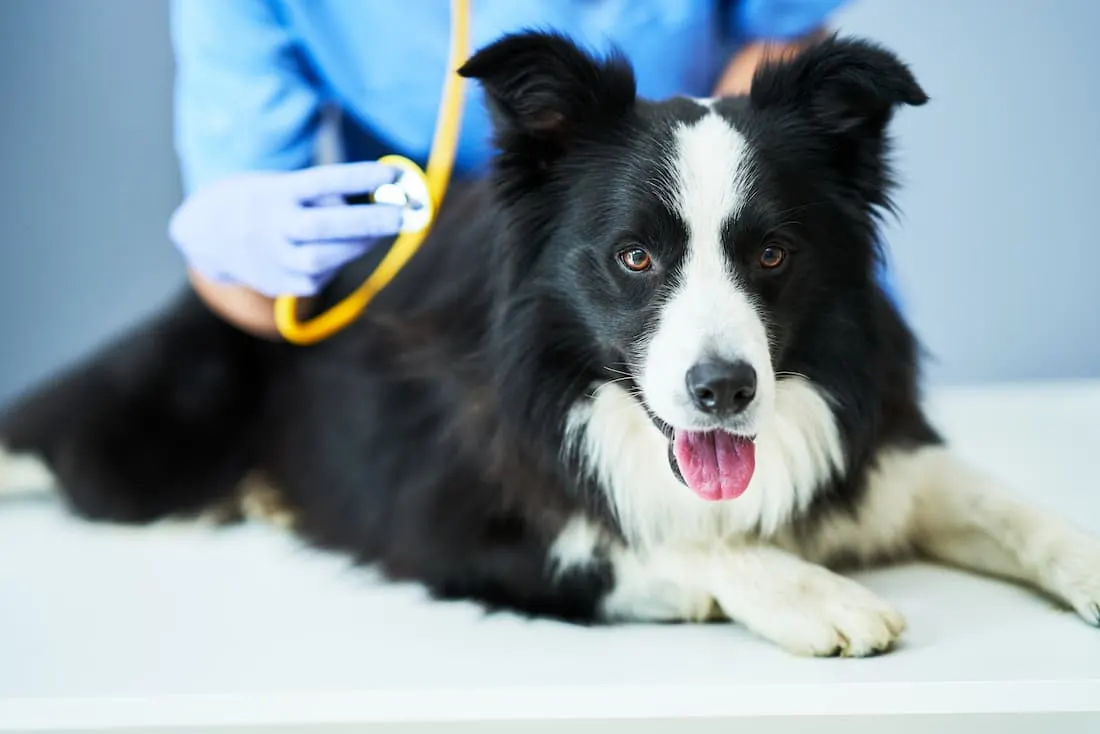
The U.S. veterinary services market reached $36.5 billion in 2024 and is growing at nearly 8% annually. A persistent shortage of veterinary professionals is driving wage growth, clinic expansion, and new facility construction across the country - including Central Minnesota, where growing pet ownership and limited existing clinic capacity are creating real demand for purpose-built veterinary facilities.
But designing a veterinary clinic isn't like designing a standard medical office. You're building for two patient populations simultaneously - animals who need clinical care and humans who need reassurance. The workflow is fundamentally different. The mechanical systems are more demanding. The durability requirements are higher. And the margin for error in layout decisions is smaller, because a poorly designed veterinary hospital creates stress for patients, staff, and clients every single day.
This guide covers the design requirements that separate well-built veterinary clinics from converted retail spaces and generic commercial build-outs. Whether you're a solo practitioner planning your first hospital or a multi-doctor practice expanding into a new facility, understanding these spatial and technical requirements will help you build a clinic that supports quality care and efficient operations.
At Keystone Design Build, we've delivered specialized healthcare facilities throughout Central Minnesota for over two decades. Our approach to veterinary clinic construction combines healthcare design expertise with practical construction knowledge - creating facilities that work for veterinarians, staff, clients, and the animals they serve.
What Makes Veterinary Clinic Design Unique
Veterinary hospitals are among the most complex small-scale commercial buildings to design. They combine elements of medical facilities, animal housing, retail operations, and hospitality environments - all within a footprint that typically ranges from 2,000 to 8,000 square feet.
Dual Patient Experience
Every space in a veterinary clinic serves two audiences. The reception area needs to calm anxious pet owners while containing excited or stressed animals. Exam rooms need clinical functionality for the veterinarian and emotional reassurance for the client. Even corridors need to accommodate leashed dogs, carried cats, and humans navigating between them.
This dual-audience requirement affects every design decision: door widths, counter heights, flooring materials, sight lines, and acoustic separation. Getting it right means thinking through every interaction from both the human and animal perspective.
Higher Mechanical Complexity
Veterinary clinics require more from their mechanical systems than most commercial buildings of comparable size. Surgical suites need dedicated HVAC with precise temperature control. Kennel areas need aggressive ventilation to manage odor and airborne pathogens. Radiology rooms need radiation shielding. Wet treatment areas need specialized drainage. The plumbing, electrical, and HVAC load per square foot in a veterinary hospital often exceeds that of a human medical office.
Durability Under Stress
Animals scratch, chew, urinate, and shed. Cages get sprayed down daily. Surgical instruments get sterilized repeatedly. Every surface in a veterinary clinic takes more abuse than its equivalent in a human healthcare setting. Material selection isn't just aesthetic - it's operational. The wrong flooring or wall finish can create cleaning nightmares and infection control problems that persist for the life of the building.
Practice Types and Facility Sizing
The type of veterinary practice determines facility size, layout, and equipment requirements. Understanding your practice model is the first step in design.
Small Animal Practice
The most common clinic type, focused on dogs and cats:
- Typical size: 2,000-5,000 square feet
- Exam rooms: 2-2.5 per full-time veterinarian
- Sizing rule: Plan approximately 1,000 square feet of total clinic space per exam room - this accounts for all support spaces, not just the exam room itself
- Core spaces: Reception, exam rooms, treatment area, surgery, radiology, kennels, pharmacy, lab, offices
Mixed Practice
Serves both small and large animals, common in rural Minnesota:
- Typical size: 4,000-8,000+ square feet
- Additional requirements: Large animal treatment area, separate entrances, drive-through or covered receiving, stocks and chutes
- Site considerations: Larger lot for vehicle access, trailer parking, outdoor holding areas
- Design challenge: Maintaining separation between small and large animal areas while sharing staff and equipment efficiently
Specialty and Emergency Practice
Referral hospitals and 24-hour emergency clinics:
- Typical size: 6,000-15,000+ square feet
- Additional requirements: Multiple surgical suites, ICU, isolation, advanced imaging (CT, MRI), overnight staffing areas
- Staffing: Larger break rooms, sleeping quarters for overnight shifts, locker facilities
- Design challenge: High patient volume with unpredictable flow patterns
Reception and Waiting Area Design
The reception area is where first impressions happen - and where species-related stress peaks. Thoughtful design here sets the tone for the entire visit.
Species Separation
Separating dogs and cats in the waiting area isn't optional - it's a core design requirement. Stressed cats who can see and hear dogs have elevated cortisol levels that affect exam results and make handling more difficult. Effective separation strategies include:
- Physical barriers: A half-wall, column, or built-in element that creates distinct zones
- Separate entrances: Ideal but not always practical; consider at minimum separate paths from the parking lot
- Elevated cat waiting: Shelving or elevated perches where cat carriers sit above dog sight lines
- Visual screening: Frosted glass, plantings, or furniture arrangements that break sight lines without closing off the space entirely
Outdoor Relief Area
A designated pet relief area near the entrance reduces accidents inside and gives anxious animals a moment to decompress before entering. Design for:
- Easy-clean artificial turf or gravel surface
- Waste station with bags and disposal
- Fencing or containment for off-leash moments
- Drainage that routes away from the building entrance
- Visibility from reception so staff can see arriving clients
Reception Desk
The reception counter serves multiple functions - check-in, checkout, phone triage, and retail sales:
- Height should accommodate standing clients while allowing staff to see animals at floor level
- Width should provide a buffer between clients and the work area behind
- Integrate retail display into the reception area for food, supplements, and preventive products
- Plan for 2-3 workstations at the desk in multi-doctor practices
- Include a scale near the reception area or in a transition zone for weigh-ins
Exam Room Design
Exam rooms are where the clinical work happens and where the client relationship is built. Design directly affects both medical outcomes and client satisfaction.
Sizing and Configuration
Industry guidance calls for a minimum of 2 exam rooms per full-time veterinarian, with 2.5 being preferred for efficient patient flow:
- Minimum size: 8 by 10 feet (80 square feet), though 10 by 10 feet (100 square feet) is preferred
- Exam table: Standard veterinary exam table dimensions are approximately 24 by 48 inches; some practices use peninsula-style tables extending from the wall so the veterinarian is never positioned with their back to the animal's owner
- Seating: At least one client chair; two preferred for multi-person visits
- Cabinetry: Wall-mounted cabinets and a countertop with integrated sink for handwashing and instrument prep
- Floor space: Enough room for the veterinarian, a technician, the client, and a large dog to move comfortably
Exam Room Features
Each exam room should include:
- Handwashing sink: Required for infection control between patients
- Non-porous surfaces: Walls, floors, and countertops that can be wiped down and disinfected quickly
- Flooring: Non-slip, seamless, and easy to clean; epoxy or sheet vinyl perform well in veterinary settings
- Electrical: Outlets for otoscope chargers, computer workstations, and diagnostic equipment
- Data: Network connection for accessing patient records and imaging
- Visual privacy: Frosted lower glass or solid lower walls so clients don't see into corridors; glass at eye level maintains staff awareness
Cat-Friendly Exam Rooms
At least one exam room should be designated as cat-friendly:
- Located away from the dog waiting area and treatment zone noise
- Elevated surfaces where carriers can sit at counter height
- Pheromone diffusers built into the HVAC or plug-in style
- Dimmable lighting to reduce feline stress
- Minimal clutter and hiding spots that make cat retrieval difficult
Treatment Area: The Central Hub
The treatment area is the operational heart of the hospital - where procedures, monitoring, and medical prep happen. It's typically the largest single space in the clinic.
Layout Principles
The treatment area functions as a centralized work zone visible from multiple directions:
- Open plan: Most modern veterinary hospitals use an open treatment area where multiple patients can be worked on simultaneously under staff supervision
- Central positioning: Located in the middle of the floor plan with direct access to surgery, radiology, kennels, and exam rooms
- Table count: Plan for one treatment table per exam room at minimum - a three-exam-room hospital needs at least two treatment tables plus a surgery table
- Wet area: A designated wet treatment zone with floor drain, elevated tub for bathing and wound care, and spray-down capability
- Pharmacy access: Medication storage and dispensing directly adjacent to or within the treatment area
Equipment Integration
The treatment area houses significant equipment:
- Anesthesia induction station
- Patient monitoring equipment
- Dental prophylaxis station (in smaller practices without a dedicated dental suite)
- IV fluid preparation
- Microscope and in-house lab equipment
- Emergency crash cart
Plan for adequate electrical circuits - veterinary treatment areas often need 20-amp dedicated circuits for multiple pieces of equipment operating simultaneously.
Surgical Suite Design
Surgery is one of the highest-revenue services in veterinary practice and demands careful environmental control.
Room Sizing
- Primary surgery suite: 250-400 square feet for small animal surgery; human hospital OR guidelines suggest a minimum of 400 square feet for primary operating rooms
- Prep area: 100-150 square feet adjacent to surgery for anesthesia induction, clipping, and initial prep
- Recovery: Dedicated recovery area with visual monitoring from staff; can be part of the treatment area in smaller practices
Surgical Environment Requirements
- HVAC: Dedicated air handling with higher filtration (MERV 13+), positive pressure relative to surrounding spaces, and precise temperature control (65-72 degrees Fahrenheit)
- Lighting: High-output surgical lighting (100,000+ lux at the surgical field) with adjustable positioning
- Flooring: Seamless, conductive, anti-static flooring; no grout lines or seams where bacteria can harbor
- Walls: Non-porous, washable surfaces; epoxy-coated walls or fiberglass-reinforced panels
- Plumbing: Surgical scrub sink immediately outside the OR with foot or elbow-operated controls
- Electrical: Dedicated circuits for surgical equipment, patient monitors, and cautery units; emergency power connection recommended
Sterile Workflow
The flow from contaminated to sterile should be one-directional:
- Dirty instruments exit through one path to sterilization
- Clean instrument packs return through a separate path or pass-through window
- Staff scrub and gown in a transition zone between the treatment area and the OR
- No cross-traffic between dirty and clean zones
Diagnostic Imaging
Imaging is essential to modern veterinary practice, and the spatial requirements depend on the modalities you offer.
Radiology
Standard X-ray is the baseline imaging requirement:
- Room size: 120-150 square feet minimum for a dedicated X-ray room
- Shielding: Lead-lined walls, door, and viewing window per radiation safety requirements; a qualified medical physicist should specify shielding thickness based on equipment output and room adjacencies
- Positioning: Adjacent to the surgical suite and treatment area for efficient workflow - a patient coming out of surgery shouldn't travel across the building for post-op films
- Equipment: Wall-mounted or ceiling-mounted X-ray unit with digital capture
Ultrasound
Ultrasound requires less dedicated space:
- Can share space with an exam room or treatment area in smaller practices
- Dedicated room (100-120 square feet) preferred in larger practices
- Darkened or dimmable lighting for screen visibility
- Electrical outlet and network connection for image storage
Advanced Imaging
CT and MRI are increasingly common in specialty and emergency practices:
- CT requires approximately 300-500 square feet with radiation shielding
- MRI requires specialized shielding (radiofrequency and magnetic), dedicated power, and significantly more space
- Both require careful structural planning due to equipment weight and vibration sensitivity
Kennel and Housing Areas
Animal housing serves multiple functions - pre-surgical holding, post-operative recovery, boarding, and isolation.
General Kennels
- Separate dog and cat wards: At minimum, separate rooms with independent ventilation
- Ventilation: 10-15 air changes per hour to manage odor and airborne pathogens
- Drainage: Floor drains in each kennel run for cleaning and sanitation
- Noise control: Acoustic treatment to contain barking; concrete block walls and solid doors help
- Lighting: Windows or skylights where possible; animals housed for multiple days benefit from natural light cycles
- Temperature: 65-75 degrees Fahrenheit with the ability to adjust by zone
- Materials: Stainless steel cages, epoxy-coated concrete or seamless resinous floors, FRP (fiberglass-reinforced panel) walls
Isolation Ward
A dedicated isolation room is critical for managing contagious patients:
- Separate HVAC system with negative pressure relative to surrounding spaces
- Direct exterior access so contagious animals never pass through the main hospital
- Independent drainage
- Anteroom or vestibule for gowning and gloving
- Self-contained supplies to minimize cross-contamination risk
Size Planning
Kennel capacity depends on practice volume and boarding services:
- Small practice (2 doctors): 8-12 dog runs, 6-8 cat condos
- Medium practice (3-4 doctors): 15-25 dog runs, 10-15 cat condos
- With boarding services: Scale significantly based on demand; boarding can require as much square footage as the medical portion of the hospital
Support Spaces
The spaces between clinical areas determine how efficiently the hospital operates day to day.
Pharmacy and Lab
- Central location with direct access from treatment area
- Controlled substance storage (DEA-compliant locked cabinet)
- Refrigerated medication storage
- In-house lab equipment (CBC, chemistry, urinalysis)
- Counter space for microscope work
- Reference lab pickup/dropoff coordination
Laundry
Veterinary clinics generate significant laundry volume:
- Commercial-grade washer and dryer sized for daily load
- Located near kennel area to minimize transport of soiled materials
- Ventilation for dryer exhaust
- Separate hampers for general and contaminated laundry
Staff Areas
Staff retention matters in a tight veterinary labor market:
- Break room with full kitchen facilities separated from clinical areas
- Locker room for changing in and out of scrubs
- Private office space for doctors
- Bathroom facilities separate from client restrooms
- Outdoor break area if site permits
Storage
Veterinary clinics require more storage than their footprint suggests:
- Bulk food and supply storage (often the largest single storage need)
- Medical supply storage
- Seasonal item storage
- Cleaning supply storage (separate from medical supplies)
- Record storage (increasingly digital, but physical records persist in many practices)
Construction Costs for Veterinary Clinics in Minnesota
Understanding realistic costs helps you plan financing, communicate with lenders, and make informed decisions about scope.
Cost Per Square Foot
Current veterinary clinic construction costs in Minnesota (2025-2026):
| Build Type | Cost Per Sq Ft | Description |
|---|---|---|
| Tenant fit-up | $130-$200 | Leasehold improvements in existing commercial shell |
| Standard new construction | $225-$300 | Quality finishes, standard mechanical systems |
| Premium new construction | $300-$375+ | High-end finishes, advanced imaging, enhanced surgical suites |
These ranges cover building construction costs including veterinary-specific mechanical and finish requirements. They do not include land, site work, major medical equipment (digital X-ray, ultrasound, anesthesia machines), or furniture and fixtures.
Budget Examples
Small Practice (2,500 sq ft, new construction, standard finish)
- Construction: $562,500-$750,000
- Design and engineering: $56,000-$75,000
- Permits and fees: $8,000-$20,000
- Contingency (10%): $63,000-$85,000
- Total construction budget: $689,500-$930,000
Medium Practice (4,000 sq ft, new construction, standard finish)
- Construction: $900,000-$1,200,000
- Design and engineering: $90,000-$120,000
- Permits and fees: $12,000-$30,000
- Contingency (10%): $100,000-$135,000
- Total construction budget: $1,102,000-$1,485,000
Large Practice (6,500 sq ft, new construction, premium finish)
- Construction: $1,950,000-$2,437,500
- Design and engineering: $195,000-$245,000
- Permits and fees: $20,000-$45,000
- Contingency (10%): $217,000-$273,000
- Total construction budget: $2,382,000-$3,000,500
Additional Budget Items
Beyond construction, plan for:
- Major medical equipment: $100,000-$500,000+ (digital X-ray, ultrasound, anesthesia, dental unit, surgical instruments)
- Practice management software: $10,000-$30,000 setup plus ongoing subscription
- Furniture and fixtures: $30,000-$80,000 (reception furniture, exam room cabinetry, kennels and cages)
- Signage: $5,000-$25,000
- Landscaping and site work: $15,000-$60,000
Cost Drivers Specific to Veterinary Clinics
Several factors push veterinary construction costs above standard commercial rates:
- Plumbing density: Multiple sinks, floor drains, cage wash areas, and specialized drainage add significant plumbing cost
- HVAC complexity: Zone control, high air change rates in kennels, surgical-grade filtration, and isolation ward negative pressure
- Radiation shielding: Lead-lined walls and doors for radiology
- Durability finishes: Epoxy floors, FRP walls, stainless steel surfaces throughout clinical areas
- Electrical load: Higher per-square-foot electrical demand than typical commercial spaces
Minnesota-Specific Considerations
Building a veterinary clinic in Minnesota introduces climate and regulatory factors that affect design and construction.
Climate Design
Minnesota's harsh winters and humid summers affect veterinary facility design:
- Insulation: Higher R-values than code minimum for energy efficiency and patient comfort, especially in kennel areas where animals are housed near exterior walls
- Entry vestibules: Double-door entries to prevent heat loss and keep wet, snowy conditions from reaching clinical flooring
- Snow load: Structural design must accommodate Minnesota snow loads, particularly for flat-roof designs common in commercial veterinary buildings
- Outdoor areas: Covered outdoor relief areas and heated sidewalks at entries improve client experience during winter months
- HVAC sizing: Heating capacity sized for sustained sub-zero temperatures; cooling capacity for summer humidity control
Permitting and Regulations
- Minnesota Board of Veterinary Medicine: Facility standards for licensed veterinary practices
- DEA registration: Required for controlled substance handling; facility must include compliant storage
- Radiation safety: Minnesota Department of Health regulates X-ray equipment registration and facility shielding requirements
- Local zoning: Verify veterinary use is permitted; some residential-adjacent zones restrict animal boarding or kenneling
- Building codes: Minnesota State Building Code (based on International Building Code) governs construction; occupancy classification typically B (Business) with possible I-4 elements if boarding is offered
Site Selection
Location factors for veterinary clinics in Minnesota:
- Visibility and access: Corner lots or main road frontage; easy vehicle access for clients with animals in the car
- Parking: More parking than typical commercial - clients need space to manage leashed animals between vehicles; plan 5-7 spaces per 1,000 square feet
- Outdoor space: Room for pet relief area, potential future expansion, and landscaping buffer from neighbors (especially for noise management)
- Utilities: Adequate water, sewer, and electrical capacity for the high mechanical demands of veterinary buildings
Timeline: From Design to Opening Day
Veterinary clinic projects have longer timelines than typical commercial build-outs because of their mechanical complexity and specialized equipment coordination.
Design Phase: 3-5 Months
- Programming and needs assessment: 3-4 weeks
- Schematic design: 4-6 weeks
- Design development: 4-6 weeks
- Construction documents: 4-8 weeks
- Permitting: 3-8 weeks (varies significantly by municipality)
Construction Phase: 5-10 Months
Timeline depends on project scope:
- Tenant fit-up (existing shell with veterinary build-out): 4-6 months
- New construction (standard small animal practice): 6-8 months
- New construction (large or specialty practice): 8-12 months
Equipment and Move-In: 1-2 Months
- Medical equipment delivery and installation
- IT and practice management setup
- Final inspections and certificate of occupancy
- Staff training in new facility
- Phased opening or soft launch
Total Project Duration
Most veterinary clinic projects take 10-16 months from initial design through opening day. The design-build delivery model can compress this by overlapping design and early construction activities - often saving 2-3 months compared to traditional design-bid-build approaches.
Why Design-Build Works for Veterinary Projects
Veterinary clinics are mechanically dense, highly specialized buildings where design decisions directly affect clinical workflow. The design-build model keeps the designer and builder working as a unified team throughout the project.
Integrated Problem-Solving
When the architect specifies a surgical suite layout, the mechanical contractor is already involved - ensuring HVAC routing, plumbing, and electrical support the design rather than creating conflicts that get resolved through expensive change orders during construction.
Real-Time Cost Control
Veterinary projects frequently involve scope decisions that carry major cost implications - upgrading to a CT suite, adding isolation capacity, or specifying higher-end kennel systems. Design-build gives you continuous cost visibility so these decisions happen during design, not as surprises during bidding.
Working with Keystone
At Keystone Design Build, our experience delivering healthcare facilities across Central Minnesota translates directly to veterinary clinic construction. We understand the mechanical complexity, regulatory requirements, and workflow considerations that define well-designed animal hospitals. Our in-house design team collaborates with you to create a facility that supports quality veterinary care while our construction team delivers it on time and on budget.
For a closer look at how we approach the veterinary construction process from start to finish, see our guide to the veterinary clinic construction process.
Frequently Asked Questions
How much does it cost to build a veterinary clinic in Minnesota?
New construction for a small animal veterinary clinic in Minnesota typically costs $225-$375 per square foot depending on finish level and complexity. A standard 3,000-square-foot clinic might cost $700,000-$1.1 million for construction, not including land, major medical equipment, or furniture. Tenant fit-ups in existing commercial space range from $130-$200 per square foot.
How many exam rooms does a veterinary clinic need?
Plan for 2-2.5 exam rooms per full-time veterinarian. A two-doctor practice needs a minimum of four exam rooms, with five preferred for smooth patient flow. Use the rule of 1,000 square feet of total facility space per exam room to estimate overall building size.
What is the ideal size for a veterinary clinic?
Size depends on practice type and doctor count. A solo practitioner small animal clinic can function in 2,000-2,500 square feet. A two-doctor practice typically needs 3,000-4,000 square feet. Multi-doctor practices with boarding or specialty services may need 5,000-8,000+ square feet.
How long does it take to build a veterinary clinic?
Most veterinary clinic projects take 10-16 months from initial design through opening. This includes 3-5 months of design and permitting plus 5-10 months of construction. Design-build delivery can compress the timeline by 2-3 months compared to traditional approaches.
What special requirements do veterinary surgical suites need?
Veterinary surgery suites need dedicated HVAC with MERV 13+ filtration and positive pressure, seamless non-porous flooring and wall surfaces, surgical-grade lighting, a separate pre-surgical prep area, and a one-directional sterile workflow from dirty to clean. Primary surgical suites should be at least 250-400 square feet.
Ready to discuss your veterinary clinic project? Schedule a free consultation with our team to explore how design-build delivery can create a veterinary facility that works for your practice, your team, and the animals you serve.
Latest articles and news
Browse all Articles

Ready to build your vision?
Keystone Design Build handles every detail from concept to completion. Tell us about your project and get a free consultation.
Planning a project like this? See how we build veterinary clinics, with recent projects and the questions owners ask us.